


richmond va real estate
Keep on top with latest and exclusive updates from our blog on the Los Angeles real estate world. Cindy Bennett Real Estate posts about tips and trends for buyers, sellers, and investors every week. Whether it be about staging your property or a snapshot of the market, this is your one stop shop.

I know I say some version of this every time I talk about the market. That's because it's always true to a greater or lesser degree. But lately? It's definitely felt slower, and for lack of a better word, choosier. Here's the thing you should know first. Demand in metro Richmond is very much alive. We led all of Virginia's major metros in home sales growth for the first half of 2026 sales up roughly 10%, nearly double the statewide pace (and that happened with mortgage rates parked stubbornly near 6.5%.)Prices, though, have mostly leveled off. (Hallelujah!) Richmond city and Henrico are both sitting at a median around $405,000 with essentially no change from last year, while Chesterfield and Hanover posted modest single-digit gains. Zillow and Redfin tell the same story from slightly different angles: values are holding, appreciation is minimal. Flat is not falling. But flat is different from the double-digit gains we got weirdly accustomed to. And it changes how you should think about selling. And buying. The Tale of Two Listings Here's what the "just the numbers" take can't show you, and what I'm watching happen in real time. The houses that are done are still moving quickly. Fresh paint, updated kitchen, nothing left on the buyer's mental to-do list? Those homes hit the market and go. And if it's a sought-after neighborhood and it feels done, and done well? It still gets a little chaotic. Multiple offers, fast timelines, the whole 2021 highlight reel. The houses that are good, fine, average? (Like most of our homes probably are.) They're taking a little longer. Not forever. Not "reduce the price and pray." Just longer than we've gotten used to. Buyers have more to choose from (especially at the higher price points, where inventory is the deepest) and they're using that room to be pickier. Meanwhile, if you own a home under $350,000 in this market, you're still holding a golden ticket. That's where inventory is tightest in the entire region, and where demand hasn't let up at all. Okay, then should you do "everything" before you sell? In any market, this is a question potential sellers often have. Is it worth renovating top to bottom before you list? Really, as with most things when it comes to real estate, that depends. Odds are, it's not. A full renovation rarely returns dollar-for-dollar, and you'd be doing it on someone else's taste and timeline (not fun). But the days of doing nothing... of listing as-is and finding a buyer who wouldn't dream of asking for repairs? Those days are, for most sellers, in the rearview. Buyers are asking again. Inspections have teeth again. The right preparation, and the right pricing, is what separates the fast sale from the slow one. The good news: "prep" doesn't mean everything. It means the strategic short list. And that list is genuinely different on every street, which is exactly the conversation I'd love to have about your house. And if you're the one buying Honestly? This is the most humane buying environment I've seen in years. Prices may not have not dropped, but because the process did. You can now buy a house without a fistfight, an appraisal waiver, or your firstborn. You might even be able to sleep on it. (Maybe. See above, re: the done-and-done-well houses.) Condos and townhouses are having a moment too, outpacing single-family sales growth this year. If the detached market has been pricing you out, that's a door worth knocking on. (Just pay attention to the fees!) The bottom line: Richmond isn't cooling off. It's growing up. Sales are up, prices are steady, buyers have breathing room, and sellers who are well prepared still wins. Sometimes dramatically. For the first time in years, this market is kind of putting strategy over speed. Frankly, that's a healthier place for all of us. If you're wondering where your house (or your next one) fits into all of this, reach out. I'd love to talk through it with you! Sources: Virginia Realtors Association, Richmond Association of Realtors / Central Virginia Regional MLS, Zillow, Redfin (mid-2026 data).
Read more
Most suburban communities in the Richmond region can trace their origins to a crossroads, a railroad stop, or sometimes, just a developer with a plan. Mechanicsville can trace its origins to the tradespeople and craftsmen who settled a crossroads northeast of Richmond in the late 17th century, and to two of the Civil War's bloodiest and most consequential days of fighting. That history is still here. It sits in something of a surreal juxtaposition to strip malls, subdivisions, and one of the most sought-after school districts in the state. That combination is a big part of what makes this area interesting. Where the Name Came From and What Happened Here By the time the Civil War arrived, Mechanicsville was a small but established village sitting just north of the Chickahominy River, less than two miles from Richmond's city limits. On June 26, 1862, this quiet crossroads became the opening stage of the Seven Days' Battles, a week-long series of Civil War engagements fought on and around Mechanicsville's fields. Confederate forces attacked Union troops positioned along Beaver Dam Creek and were pushed back, suffering roughly 1,475 casualties to the Union's 361. Two years later, the Battle of Cold Harbor was fought over much of the same ground, with even heavier losses. This area has seen a LOT of metal detectors. A portion of the Beaver Dam Creek battlefield has been preserved as part of Richmond National Battlefield Park. The rest has been mostly overtaken by modern development, which is a reasonably accurate metaphor for what happened to Mechanicsville in the decades that followed. The past is here. You just have to know where to look for it. How Mechanicsville and Atlee Became What They Are Today The area remained largely rural until after the 1940's, but then it started and hasn't stopped. The combination of Hanover County's low real estate tax rate, its reputation for strong public schools, and its easy highway access to Richmond drew families then and continue to now, for largely the same reason. Atlee, situated in the northern portion of the Mechanicsville CDP along Atlee Station Road near the I-295 and I-95 interchange, began developing seriously in the 1990s and has grown into one of the most active residential corridors in Hanover County. Much of the land in the Atlee area was farmland a generation ago. The rapid expansion of residential subdivisions and highway access has transformed it into one of the metro region's most convenient and new construction continues today. This is, in many ways, still a neighborhood being built. The Schools: (This Is the Headline) Hanover County Public Schools is ranked 16th out of 129 school districts in Virginia by SchoolDigger, consistently performs in the top 5% of Virginia districts for combined math and reading proficiency, and Forbes has named it one of the top fifty counties in the United States for student achievement relative to cost per student. Atlee High School is the standout. It ranks in the top 5% of all public high schools in Virginia, has been ranked as high as 5th in the state, and consistently places in the top 30 statewide. Math proficiency at Atlee runs at 90%, compared to a state average of 54%. Reading proficiency runs at 91%, compared to a state average of 69%. The graduation rate is 95% to 97% depending on the year. These are not marginal differences. They are substantial. Mechanicsville High School and Hanover High School are also part of Hanover County Public Schools and serve other parts of the corridor. Both are solid performers, though Atlee draws the highest rankings and the most competitive buyer attention as a result. The Neighborhoods Worth Knowing Giles has generated a lot of buzz in the Atlee area in the past few years. Located directly across Atlee Station Road from Cool Spring Elementary, Chickahominy Middle, and Atlee High, Giles was voted Best Community in Richmond by Richmond Magazine readers in 2021 and ranked among the top ten best-selling communities in central Virginia. It preserves 50% of its land as protected open space, which means mature tree canopy and trails alongside new construction. Giles also has a resort-style pool with a waterslide, a clubhouse and more. For buyers who want new construction, a walkable relationship with schools, and a genuine sense of community amenity, Giles is a great answer. Rutland was one of Hanover County's first mixed-use developments, built over 200 acres with a clubhouse, pool, and commercial components along Chamberlayne Avenue. It has been the established benchmark for master-planned living in the Atlee corridor for over a decade, and Rutland Grove, a newer adjacent community, expanded this with additional single-family homes, a playground, walking trails, sports courts, and a fishing pier on a pond. Kings Charter and Milestone are two of the more established communities in the broader Mechanicsville area, with trail systems, playgrounds, and fishing ponds, and home styles that range from 1990s-era construction to more recent builds. Good school access and lower price points relative to some of the newer developments make them consistent performers in the market. Forest Lake Hills and surrounding communities offer larger lots with established landscaping and a quieter, more rural feel than the Atlee corridor, appealing to buyers who want Hanover County's school district and tax rate without the master-planned subdivision model. Dining Worth Knowing The Mechanicsville and Atlee dining scene is honest suburban. There are chains, many of them, and they serve the community well enough. But there are standout local options that rise considerably above the average. Charred Hanover consistently tops local rankings, with a menu built around wood-fired cooking, live music on weekend nights, and a loyal following. Bell Greek Hanover, operating in a decidedly unglamorous former 7-11 building just off is rated the number one restaurant in Mechanicsville, and is definitely one of my favorites. The gyros are exceptional, the moussaka is the real deal, and the service is great. Go for the food, stay for the pastries, and forget you used to be able to buy a slurpee there. The Giambancos Italian Grill has been doing family-style Northern Italian in Mechanicsville for decades and knows what they're doing. The Parks and Outdoors Pole Green Park is the community hub for the Atlee area, with athletic fields, a skate park, splash pad, dog park, paved walking trails, and ample picnic space. It also hosts the annual Tomato Festival (it happened just this past weekend) that brings the crowds every year. I mean, if Hanover is not synonymous with tomatoes, I don't know what is. Cold Harbor Battlefield Park offers a peaceful network of wooded trails and preserved Civil War earthwork trenches for light hiking and quiet reflection. The Chickahominy River runs along the southern edge of the broader Mechanicsville area, with fishing and paddling access. The Fall Line Trail, a regional greenway connecting forests and farmlands, opened its inaugural Hanover segment in September 2025, adding another outdoor amenity to the area. What the Real Estate Market Is Actually Doing Hanover County has the lowest real estate property tax rate in the Richmond region. That is not a minor footnote. For buyers comparing total cost of ownership across the metro area, Hanover County's tax rate makes a meaningful difference in the annual math, and it draws buyers who have done that calculation. Demand in the Atlee corridor specifically is consistent and strong. Giles and Rutland Grove have maintained steady sales through shifting market conditions. Established communities like Kings Charter and Milestone offer entry points into the Atlee High School zone at more accessible price points. Larger-lot options further north in Hanover County appeal to buyers who want rural character without leaving the school district. Homes in the Atlee area are car-dependent. There is no getting around that. The trade is a community that waves at you from the car, a school district that consistently ranks among the best in Virginia, a low tax rate, and direct highway access to Richmond, Short Pump, and the airport. Most buyers who land here have made that trade deliberately, and they tend to stay. If you are relocating to the Richmond area and want Hanover County's combination of schools, community culture, and value, the Atlee corridor is where much of that conversation begins. Thinking about a move to Atlee, Mechanicsville, or Hanover County? I've been covering this market since the first home I ever sold off of Atlee Station Road back in 2003 and know it in detail. What questions can I answer for you?
Read more
The Richmond Market Right Now: Inventory Is Down, Buyers Are Active, and Summer Is Coming Here’s the thing about this time of year in real estate: things move, whether you’re ready or not. We’re in mid-June. The spring rush didn’t exactly slow down the way it sometimes does, and the data coming out of the Central Virginia Regional MLS tells a pretty clear story. Single-family home inventory across the Richmond metro is down nearly 14% from this time last year. Days on market for single-family homes dropped more than 22%. Pending sales are up almost 8%. Yep. That "low inventory" you hear us talk about all the time is not getting much better. Certainly not fast enough. And some of my clients have been in multiple offer situations already this year. I don’t expect that to change as we head into summer. So let’s talk about what’s actually happening — the full picture, county by county, buyer and seller, with the numbers to back it up. Rates: The Honest Assessment As of June 11, 2026, Freddie Mac puts the 30-year fixed rate at 6.52%. That’s up slightly from 6.48% the week before, but still meaningfully lower than the 6.84% we were sitting at this time last year. Rates have been hovering in the mid-sixes for most of 2026, bouncing between about 6.37% and 6.53% since February. They’re not dropping dramatically. They’re not spiking. They’re just… there. And buyers, it seems, I have made their peace with it. Freddie Mac’s own chief economist noted that homebuyers are “looking past the short-term rate fluctuations and actively entering the market.” Existing home sales just hit a five-month high nationally. The job market is pretty strong. People have lives to live and houses to buy. If you’re still waiting for rates to fall significantly before you make a move: that’s a strategy, but it’s one worth examining. The buyers who got into homes earlier this spring largely did so at similar rates, and they didn’t wait. In the meantime, inventory keeps tightening and prices keep ticking up. What the Data Is Telling Us (Fresh as of June 10) I’m going to give you the actual numbers from the Richmond Metro’s May 2026 report, because they’re more useful than generalizations: Single-family median sales price: $454,000 — up 3.2% from May 2025 Days on market for single-family homes: 17 days — down 22.7% from a year ago Pending sales for single-family homes: up 7.9% year over year Inventory of single-family homes for sale: down 13.7% year over year Months supply of single-family inventory: 1.5 months — a 16.7% drop from last year Sellers are getting 101.6% of original list price on single-family homes That last one is worth taking a look at. Sellers are averaging more than their original asking price. That’s not a soft market. That’s one where well-priced homes are still drawing competition. The condo and townhome picture is a bit different — days on market there are running longer (34 days in May), and sellers are getting slightly under list price. If you’re buying or selling in that segment, the playbook is a little different than for single-family homes. What I’m Seeing on the Ground The data confirms what I’ve been seeing with clients. The right single-family home, priced right, in a good location, is not sitting around. It’s getting shown, getting offers, and in many cases, getting multiple offers. That’s not true of everything. (And this is important!) The homes that are sitting tend to share a few traits: overpriced for the condition, condition issues that buyers can see immediately, or marketed like it’s still 2021 and everything sells itself. None of that is true anymore. Here’s what I keep telling both buyers and sellers: This is a market that rewards preparation and punishes wishful thinking. On both sides of the transaction. The County-by-County Read Chesterfield Currently the most active market in the area. Chesterfield has been the fastest-growing locality in Virginia since 2020, and buyer demand reflects that — schools, infrastructure, development, and a relatively accessible price point compared to some Northern Virginia markets. Spring brought a surge of activity here and we're just not seeing it let up as we head into summer. For sellers: price it right from day one and it will move. For buyers: be pre-approved, know what a competitive offer looks like before you go to your first showing, and don’t sleep on a home you love. Henrico Henrico remains the value play for buyers who want location, good schools, and a shorter commute. In May, homes in Henrico were selling at a median of $429,500 with an average of just 20 days on market — down from 26 days this time last year. The Short Pump corridor and River Road area continue to be magnets. Inventory is lean and what comes on in the right neighborhoods moves fast. Hanover Hanover is doing what Hanover does: steady, reliable, and consistently in demand. Buyers here are generally looking for land, quiet, community, and Hanover County Public Schools. The market isn’t frantic the way some of the Chesterfield pockets can be, but good homes don’t sit here either. If you’re thinking about selling in Hanover, summer can actually be a good window. Motivated buyers who didn’t find what they wanted in spring are still actively looking. Richmond City The city is neighborhood-by-neighborhood, as always. The Fan, Museum District, and areas near Carytown remain competitive. Inventory in established neighborhoods is historically low because current owners are holding their equity and not moving. That scarcity keeps pushing demand outward into transitional neighborhoods, which is creating real opportunity in some up-and-coming pockets. If you’re a buyer who can be a little flexible on the neighborhood, there are interesting options right now that wouldn’t have existed a few years ago. Redfin’s recent data shows homes in the City of Richmond selling at a median of around $414K over the last three months, with an average of just 14 days on market. That’s fast, so if you're looking, you're not "sleeping on" much. Have a plan, know what you need, what you want, and be prepared to move on it before someone else does. If You’re Buying Right Now The buyers doing well in this market share a few things in common: They’re pre-approved — not just pre-qualified — before they start seriously looking. Sellers notice. They’ve had the “what does a competitive offer look like” conversation with their agent before they find a house they love, not after. They know their priorities. When a home might get multiple offers, you don’t have three days to figure out what matters to you. They’re not trying to steal a home. Clean, thoughtful offers built around the seller’s actual situation win more often than aggressive low offers or over-escalation with no strategy. Summer is not a slow season in this market. People relocating for jobs start in summer. Kids are out of school and families can move. If you’re waiting for some imaginary “quiet period” where you’ll have less competition — that’s not coming this year. If You’re Selling Right Now Sellers are in a good position. But “good position” DOES NOT mean “set whatever price you want and wait.” The market is rewarding accurately priced, well-presented homes with fast sales and strong offers. It is not rewarding overpriced homes, even in a tight-inventory environment. Buyers have gotten smarter. They know what things are selling for. They know when a price is disconnected from the data. And with 1.5 months of supply out there, they have at least some choices. What works right now: Price based on what actually sold in the last 60–90 days — not what your neighbor got in 2022, not what you need to make the numbers work Invest in presentation: fresh paint, clean carpets, landscaping that doesn’t make buyers wonder what else hasn’t been maintained Market it properly — good photos, strong exposure, an agent who knows how to tell the story of the home Summer listings can do well when they’re prepared. What sits in summer are the homes that needed more work before they hit the market. Don’t be that house. The Bottom Line Mid-June 2026 in RVA: inventory is tighter than last year, prices are up modestly, buyers are active, and sellers are getting over asking on single-family homes metro-wide. It’s not 2021 chaos, but it’s not a buyer’s market either. It’s a market where the prepared win. I’ve seen it with my own clients this year, and I expect to keep seeing it. As always, if you want a straight answer about your specific neighborhood or price range, just reply. No pressure, no pitch. Just good information. — Cindy
Read more
If your home is sitting on the market in Richmond, it’s easy to assume the market is to blame. But in most cases, that’s not the real issue. More often than not, a home that isn’t selling comes down to decisions made before it ever hits the market. Let’s break down the most common reasons homes don’t sell—and how to avoid them. 💰 1. You Priced It Too High This is the #1 reason homes don’t sell. Even pricing your home just 3–5% above market value can turn buyers away. Today’s buyers have access to more data than ever, and if your home feels overpriced, they’ll simply move on. 🖼️ 2. The Presentation Doesn’t Match the Price Buyers compare everything. If similar homes are updated and yours isn’t, pricing at the same level won’t work. Presentation includes: Condition and updates Professional photography Listing description and marketing If these don’t align with your price, your home will struggle. 📅 3. Poor Timing Timing matters more than many sellers realize. Listing during major holidays or peak travel seasons can reduce visibility and buyer activity. The goal is to maximize exposure—and timing plays a big role in that. 🔧 4. Ignoring Repairs Buyers today are informed and cautious. If your home has noticeable issues and you haven’t addressed them—or priced accordingly—it can lead to: Failed inspections Contracts falling through Relisting with a negative perception 🚩 5. Your Listing Became “Stale” When a home sits too long or goes under contract and falls through multiple times, it can become what’s known as a stigmatized listing. Buyers start to wonder: “What’s wrong with it?” And many won’t even bother to find out—they’ll just move on. 📊 The Bottom Line If your home isn’t selling, it’s usually not random—and it’s rarely just “the market.” The good news? These are all things you can control with the right strategy. 📍 Selling in Richmond? If you’re thinking about listing in Richmond or the surrounding areas, I can help you: Price strategically Prepare your home for the market Avoid costly mistakes 📲 Reach out anytime for a personalized plan.
Read more
If you’re thinking about selling your home in Richmond, you’re probably focused on one number: your list price. But here’s the reality—the number you sell for is not the number you walk away with. There are several costs between your sale price and your final check, and if you’re not prepared, it can be a frustrating surprise at closing. Let’s break down exactly what it costs to sell a home in the Richmond area so you know what to expect. 💸 The Biggest Cost: Agent Commissions For most sellers, the largest expense will be real estate commissions. This typically includes: The listing agent’s fee Potential compensation for the buyer’s agent While commission structures can vary, this is usually the largest deduction from your proceeds, so it’s important to understand what you’ve agreed to upfront and what may be expected during negotiations. 🧾 Seller Closing Costs in Virginia Beyond commissions, there are several standard closing costs sellers in Virginia should plan for: Grantor’s Tax (state + local) Title fees HOA fees + resale package (if applicable) Outstanding balances or prorations Any negotiated credits to the buyer The good news? These are typically much lower than buyer-side closing costs—but they still add up. 🛠️ Pre-Listing Prep Costs (Often Overlooked) Before your home even hits the market, you may need to invest in getting it show-ready. Common prep costs include: Interior painting Landscaping + curb appeal updates Deep cleaning Minor repairs Depending on your home’s condition, this can range from a few hundred to several thousand dollars—but it often directly impacts your final sale price. 🔍 Inspection Repairs Even if your home looks great, buyers will almost always conduct their own inspection. That means you may need to cover: Plumbing fixes Electrical updates Roof or HVAC concerns General maintenance issues These are costs many sellers don’t anticipate—but they’re very common. 🏠 Carrying Costs (If Your Home Sits) If your home doesn’t sell immediately—or if you’ve already moved—you’ll want to factor in: Mortgage payments Utilities Insurance Maintenance Holding onto a property longer than expected can quietly eat into your profits, especially in extreme weather months. 🚚 Moving Costs Moving isn’t cheap—and it’s often forgotten in the net calculation. Typical local moving costs can range from: $2,500 to $7,000+, depending on size and distance Out-of-state moves can be significantly higher. 📊 What You Actually Net (The Number That Matters) At the end of the day, your true profit looks more like this: Sale Price– Mortgage Balance– Commissions– Closing Costs– Repairs + Prep– Moving Costs= Your Net Proceeds This is why working with a professional who can provide a net sheet before listing is so valuable—you’ll know exactly what to expect. 📍 Selling in Richmond? Let’s Run Your Numbers Every home—and every situation—is different. If you’re considering selling in Richmond or the surrounding areas, I’m happy to provide a personalized estimate so you know exactly where you’ll land before you hit the market. 📲 Reach out anytime to get started. 🎥 Watch the Full Breakdown Want the full walkthrough? Watch the video here:👉 🔑 Final Thoughts Selling your home is a major financial move, and understanding the true cost upfront can make all the difference. The more prepared you are, the more confident—and satisfied—you’ll feel when you reach the closing table.
Read more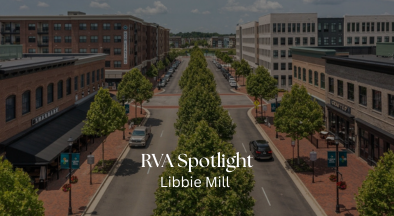
Most neighborhoods in Richmond earn their character slowly. Decades of accumulated life, layers of history baked into the architecture, a coffee shop that's been on that corner since before you moved here. Libbie Mill does not have that. It's new. Intentionally, thoughtfully, impressively new. And honestly? It works. Libbie Mill Midtown sits in Henrico County, just off I-64 near Staples Mill Road, close enough to Scott's Addition and the Libbie and Grove corridor to feel connected to the city's energy. It's a 90-acre mixed-use development that set out to do something genuinely difficult: build a walkable, livable, community-centered neighborhood from scratch. The result is something Richmond didn't really have before, and a lot of people are paying attention. What Makes It Different The design philosophy here was rooted in studying what actually makes older Richmond neighborhoods work. The Fan, Church Hill, Shockoe Slip. The things that make people want to linger, not just park and leave. Libbie Mill has pocket parks, shared gardens, clubhouses, and pools, all connected to sidewalks so you can walk anywhere in the community. There's Libbie Lake, with a trail around it that residents use the way people use a front porch. There's a dog park, a playground, and a branch of the Henrico County library right in the middle of it. There are food trucks, outdoor concerts, community events happening on a regular basis. It sounds like a lot to promise. And then you walk it, and the promises largely hold. The Restaurants: Where It Gets Serious This is Richmond. We judge neighborhoods by where we can eat. Libbie Mill passes. Shagbark is the anchor, and it has been since chef Walter Bundy opened it in 2016. Bundy spent nearly two decades as executive chef of Lemaire at The Jefferson Hotel, including a stretch where Lemaire was named one of the 101 best restaurants in the country. Shagbark was named one of USA Today's "20 new restaurants to try" and later earned a AAA Four Diamond rating. Bundy describes the restaurant as a "seasonally driven concept celebrating Virginia's best producers, farmers, and fishermen," and the menu reflects exactly that. The space itself is extraordinary. The communal table milled from an actual shagbark hickory tree, the chandeliers made from whitetail antlers, handmade plates from a local potter. It feels like Richmond in the best possible way: grounded and beautiful. Make a reservation. Dress up a little, if you want to. It's that kind of place. (But it's Richmond, so you don't have to.) Then there's Acacia Midtown, which carries with it the kind of history that makes food people in Richmond go quiet for a moment. Chef Dale Reitzer is a four-time nominee for the James Beard Foundation's Best Chef Mid-Atlantic Award, was twice named Richmond's chef of the year, and was recognized by Food and Wine Magazine as one of America's best new chefs in 1999. He and his wife Aline, who founded Richmond Restaurant Week, closed their beloved Cary Street location in early 2020 and eventually chose Libbie Mill for their return. Acacia Midtown delivers modern coastal cuisine: honest cooking, respectful sourcing, and a welcoming space where timeless hospitality meets a fresh approach to seasonal fare, with a focus on fresh-catch seafood and specialty meats. The space is open, airy, and coastal in feeling, with a small market attached for provisions. If you have been eating Acacia's food for twenty years and missed it like I did? It's back, and it's good. The Real Estate: A Different Kind of Value Proposition Libbie Mill offers something the rest of Richmond's market largely does not: new construction with genuine walkability. Townhomes, condominiums, and apartment homes in a community that was built to function as a neighborhood rather than just a collection of units near a highway. For buyers relocating to Richmond who want modern finishes, low maintenance, and actual walkable daily life without sacrificing access to the rest of the city, Libbie Mill is a serious option. It sits just minutes from Willow Lawn, Short Pump, downtown Richmond, the Libbie and Grove area, the Fan, Scott's Addition, and the James River. You are not choosing between urban convenience and a peaceful place to live. That is the whole point of what was built here. It is worth a visit, even if you think you already know what it is. Walk the lake. Go to the library (one of my favorites). Have dinner at Shagbark. See if it doesn't change your mind a little about what a new neighborhood can be. Have you spent time at Libbie Mill? And if you are relocating to Richmond and trying to figure out which neighborhood actually fits your life, let's talk. I have opinions, I know the market, and I am very good at asking the right questions.
Read more
Downsizing sounds easy on paper—less space, less maintenance, a fresh start. But if you’ve lived in your home for years (or decades), you already know it’s not that simple. From sorting through a lifetime of belongings to figuring out where you actually want to go next, downsizing is as much an emotional process as it is a logistical one. If you’re thinking about downsizing in the Richmond area, here’s how to approach it in a way that feels manageable—and sets you up for your next chapter. Watch: What Downsizing Really Looks Like Start Earlier Than You Think You Need To One of the biggest mistakes people make with downsizing is waiting too long to begin the process. If moving is even on your radar, it’s time to start making small decisions now—especially when it comes to decluttering. You don’t have to tackle everything at once, but gradually working through closets, storage spaces, and rarely-used items can make a huge difference when it’s time to list your home. Think of it as creating momentum instead of pressure. Focus on Lifestyle—Not Just Square Footage “Smaller” can mean a lot of different things in Richmond. For some, it’s a low-maintenance condo in the city.For others, it’s a one-level home with a bit of outdoor space.And for many, it’s something in between. Instead of focusing only on size, ask yourself: How do I want my day-to-day life to feel? Do I want walkability or privacy? How much maintenance am I comfortable with? The clearer you are on your lifestyle goals, the easier it becomes to narrow down the right fit. Have a Plan for the “Stuff” Downsizing almost always comes with one major challenge: what to do with everything you’ve accumulated over the years. The key is not trying to do it all alone—or all at once. Depending on your situation, it may make sense to: Bring in a professional organizer Schedule donation pickups Use a junk removal service for bulk items Involve family members in deciding what stays and what goes Having a strategy in place can turn what feels overwhelming into something much more manageable. Don’t Overlook the Financial Details Downsizing can be financially beneficial, especially if you’ve built up significant equity in your home. But there are still important pieces to consider, including: Potential tax implications Closing costs Timing your sale and purchase Long-term financial goals Before making any big decisions, it’s worth having a conversation with a financial professional so you know exactly what to expect. Take Your Time Choosing the Right Next Home One of the most common downsizing mistakes is moving too quickly into a home that doesn’t fully fit your needs. It might check a few boxes—but not the ones that matter most long-term. Taking the time to explore your options and really think through your next phase of life can help you avoid making a move you’ll regret (and having to do it all over again). Downsizing Can Be a Fresh Start—With the Right Plan While downsizing comes with challenges, it can also be incredibly freeing. Less maintenance.Less clutter.More flexibility in how you live your life. The key is going into the process with a clear plan, realistic expectations, and the right support along the way. Thinking About Downsizing in Richmond? Whether you’re just starting to explore the idea or ready to make a move, having a plan makes all the difference. If you have questions about downsizing in the Richmond area—or just want to talk through your options—I’m always happy to help.
Read more
If my best friend called me tomorrow and said she was thinking about moving to the Richmond area, I know exactly what I’d tell her. Not as a real estate agent. Not as someone trying to sell her anything. Just the honest, real-life perspective from someone who has lived here for a long time—and genuinely loves it more every year. If you’re considering relocating to Richmond, here’s what you should know. 🎥 Watch the Full Video What Richmond Is Really Like A lot of people who’ve never been to Richmond picture it as a mid-sized, maybe slightly forgettable city. That couldn’t be further from the truth. Richmond is full of character, history, and distinct neighborhoods—each with its own personality. It has the energy of a college town thanks to VCU, but with the depth and amenities of a much larger city. From world-class museums to a constantly evolving food scene, there’s always something happening here. And then there’s the James River—arguably the crown jewel of the city. Choosing the Right Neighborhood One of the best things about Richmond is the variety. Where you should live really depends on your lifestyle. If You Want Walkability & City Energy Neighborhoods like: The Fan Museum District Carytown Forest Hill / Westover Hills These areas offer sidewalks, local restaurants, coffee shops, parks, and a true neighborhood feel where you can actually walk to places—not just walk for the sake of it. If You Want More Space & Community Amenities Looking in the surrounding counties might be a better fit. You’ll typically find: Larger lots Planned communities Amenities like pools, playgrounds, and tennis courts This can be especially appealing if you’re looking to plug into a community quickly. If You’re Looking for More Affordable, Up-and-Coming Areas A few areas to keep an eye on: Church Hill Brookland Park These neighborhoods offer a mix of character, walkability, and value—and they continue to grow in popularity. Let’s Talk About the Food Scene 🍽️ Richmond has been quietly punching above its weight for years when it comes to food. Whether you’re into: Food trucks Casual neighborhood spots Trendy new restaurants Or high-end dining You’ll find something here—and probably more than you expected. The James River Lifestyle 🌊 This is one of the most unique things about Richmond. The James River runs right through the city—and it’s not just for looking at. You can: Kayak or paddleboard (yes, even downtown) Walk or bike along scenic trails Explore parks and river access points Catch concerts at the riverfront amphitheater Plus, the Virginia Capital Trail offers over 50 miles of paved trail stretching from Richmond to Williamsburg. Arts, Culture & Things to Do 🎨 Richmond has a strong creative energy. From: First Fridays art walks Galleries and museums Festivals and local events There’s always something to explore—and it’s a big part of what gives the city its personality. The Honest Downsides No place is perfect, and Richmond is no exception. A couple things to keep in mind: Highway traffic (especially on I-64 during beach season) Summer humidity (it can get intense) That said, we do get four true seasons—and the winters are relatively mild. Final Thoughts: Should You Move to Richmond? If you’re thinking about relocating, the best thing you can do is come experience it for yourself. Drive through neighborhoods. Try the restaurants. Walk along the river. Check out a local event. Richmond has a vibe that’s hard to fully explain—but easy to feel once you’re here. And chances are, there’s a version of Richmond that fits exactly what you’re looking for. Thinking About Making a Move? If you have questions about neighborhoods, timing, or what to expect when moving to Richmond, I’m always happy to help. Reach out anytime—whether you’re just starting to explore or ready to make a move.
Read more
If you’ve lived in your home for a while, it’s easy to assume selling will be straightforward—clean it up, put it on the market, and wait for offers to roll in. And while that can happen, the reality is that the smoothest, most successful sales usually come down to preparation, strategy, and understanding how buyers actually behave. After more than 20 years of selling homes in Richmond, I’ve seen what works—and what can quickly cause a deal to go sideways. Here are four of the most important things every seller should know before listing their home. 1. Your First Week on the Market Is Everything The first 5–7 days your home is listed are the most powerful window you’ll have. This is when: Buyers who have been searching for months are waiting for something new New buyers are just entering the market Your listing gets the most visibility and attention You’ll never have this level of exposure again during your time on the market. That means your home needs to make a strong impression right away. This isn’t the time to “test” a higher price or ease into the market—you want to capture attention, generate interest, and ideally create strong offers early. 2. Pricing Right Beats Pricing High (Every Time) There’s a common belief that you can “start high and come down later.” In reality, that strategy almost always works against you. Pricing your home correctly from the start: Attracts more buyers Creates stronger interest and urgency Increases the likelihood of multiple offers Helps you sell faster—and often for a better price When a home sits on the market too long, buyers start to wonder what’s wrong with it. Price reductions can signal weakness rather than opportunity. The goal isn’t to price low—it’s to price right. 3. First Impressions Matter More Than You Think Buyers are incredibly quick to judge a home—and surprisingly unforgiving when it comes to first impressions. The good news? You don’t need a full renovation to make an impact. Focus on the basics: A clean, fresh-smelling home (not masked with heavy fragrances) Decluttered spaces so buyers can actually see the home Small repairs (sticky doors, burnt-out bulbs, scuffed walls) Clean windows and well-maintained surfaces These details may seem minor, but they signal to buyers that the home has been cared for. And that perception goes a long way—often further than a fully updated kitchen. 4. The Highest Offer Isn’t Always the Best Offer When offers come in—especially multiple offers—it’s tempting to focus only on the price. But the strongest offer is about more than just the number. You should also consider: Financing vs. cash Contingencies (inspection, appraisal, home sale) Closing timeline Flexibility and overall terms A slightly lower offer with cleaner terms and fewer risks can often be the better choice. Taking the time to compare offers carefully can save you stress—and protect your deal from falling apart later. Bonus: Timing Matters… But Not How You Think Many sellers believe they need to wait until spring to list—but in reality, a well-prepared and well-priced home can sell in almost any season. In fact: Listing earlier can mean less competition Spring markets often bring more inventory (more competition) Buyer demand exists year-round The key isn’t just when you list—it’s how prepared you are when you do. Final Thoughts Selling your home doesn’t have to be overwhelming—but it does require a thoughtful approach. The sellers who have the best experiences are typically the ones who: Prepare their home ahead of time Price strategically from the start Understand how buyers evaluate homes Stay aware of market conditions Do those things, and you’ll not only improve your outcome financially—you’ll likely have a much smoother, less stressful process overall. Thinking About Selling in Richmond? If you’re considering selling your home in the Richmond area (or just want to understand your options), I’m always happy to help you put together a strategy that fits your goals and timeline. Reach out anytime—I'd love to connect.
Read more
If you’ve been following real estate headlines lately, you’ve probably seen Richmond named as one of the hottest housing markets in the country. On the surface, that sounds like great news—but if you live here, you may be wondering what that actually means for you. Is it a great time to sell? Is it harder than ever to buy? And do those national rankings really reflect what’s happening on the ground? Let’s take a closer look at what buyers and sellers are truly experiencing in the Richmond real estate market. What the Headlines Are Really Measuring Most national rankings look at big-picture metrics like affordability, job growth, population increases, and price trends. In many cases, Richmond does check those boxes. We’ve seen steady job growth, strong demand, and continued interest from buyers relocating from higher-cost areas. But those statistics don’t always capture what’s happening neighborhood by neighborhood—or even street by street. Are Homes Still Getting Multiple Offers? Yes—multiple offers are still happening in Richmond, even during the winter months. And when multiple offers are happening in the slower season, it’s a strong indicator that demand remains high. That said, not every home is receiving the same level of interest. The listings that tend to attract the most competition usually share a few things in common: They’re well maintained and move-in ready They’re priced appropriately They’re located in desirable neighborhoods Classic Richmond colonials, especially those with garages, fenced yards, and neighborhood amenities, continue to be among the strongest performers. Not All Homes Perform the Same in a Hot Market As you move away from the most desirable locations or home styles, competition tends to soften. Homes near busy roads, in less walkable areas, or needing significant updates may still sell—but often without the frenzy suggested by the headlines. This is why a blanket statement like “Richmond is hot” can be misleading. Who Benefits Most in a Hot Richmond Market? The biggest winners tend to be: Sellers with well-maintained, updated homes Sellers in strong neighborhoods Out-of-state buyers relocating from higher-priced markets Buyers coming from more expensive areas may find Richmond homes relatively affordable, even when local buyers feel priced out. That can give them an edge in competitive situations. Strategy Matters More Than Ever for Buyers In a competitive market, preparation is everything. Buyers who succeed typically: Have strong pre-approvals Understand their true budget Know where they can be flexible Work with an agent who understands local competition A clear strategy can be the difference between winning and losing a home you love. Sellers Still Need a Pricing Strategy A hot market doesn’t mean you can price your home however you want. Pricing correctly is still critical to generating interest and multiple offers. Homes that are overpriced often sit longer—even in strong markets. Having the right pricing and marketing strategy is just as important now as it is in slower markets. Headlines Don’t Replace Local Expertise Richmond may be a hot housing market, but that doesn’t mean every buyer is doomed—or every seller is guaranteed success. Results depend on location, condition, price range, and strategy. If you’re thinking about buying or selling in the Richmond area, the best first step is a conversation about your goals and your segment of the market. If you have questions or want help creating a strategy that fits your situation, I’d love to help. Reach out anytime to get started.
Read more- 1
- 2