

Uncategorized
Keep on top with latest and exclusive updates from our blog on the Los Angeles real estate world. Cindy Bennett Real Estate posts about tips and trends for buyers, sellers, and investors every week. Whether it be about staging your property or a snapshot of the market, this is your one stop shop.

Baked Feta with Broccolini & Chickpeas A 30-minute, mostly hands-off vegetarian sheet pan dinner that's like a restaurant appetizer turned into a meal. Ingredients (serves 3–4) 1–2 bunches broccolini, ends trimmed 1 pint cherry or grape tomatoes, halved 1 small red onion, cut into wedges (optional but nice) 1 can chickpeas (15 oz), drained, rinsed, and patted dry 8 oz block feta, cut into 4–6 thick slices 2–3 Tbsp olive oil 1 tsp dried oregano ¼–½ tsp red pepper flakes (optional) Salt and black pepper ½ lemon (zest + juice), plus extra wedges for serving Fresh herbs for finishing (parsley, basil, or dill), chopped Directions Heat oven to 400°F and line a rimmed sheet pan with parchment for easier cleanup. On the pan, toss broccolini, tomatoes, onion, and chickpeas with olive oil, oregano, red pepper flakes, salt, and pepper. Spread in an even layer. Nestle the feta slices among the vegetables and chickpeas so each piece has a bit of space. Roast 20–25 minutes, tossing the veggies and chickpeas once halfway through (leave the feta in place), until broccolini is browned, tomatoes are blistered, and feta is soft and lightly golden. As soon as it comes out of the oven, zest and squeeze the lemon over everything and shower with fresh herbs. Taste and adjust salt. How to serve Scoop into shallow bowls with toasted sourdough, naan, or pita. Or serve over orzo, couscous, or farro to turn it into a heartier main.
Read more
Spring Didn't Wait for Permission If you've been holding your breath waiting for the "official" spring market to arrive — it's here. In February. Again. I'm already seeing multiple offers come in on well-priced homes across the region, which, if you've been around this market for any length of time, you know is the signal. Not a signal. The signal. Buyers who've been quietly been paying attention, getting pre-approved, and watching since January are starting to move — and the ones who waited to "see how spring goes" are about to find themselves a few steps behind. So here's your non-panicky, no-spreadsheet-required update on where Greater Richmond actually stands right now. How the Market "Feels" Right Now Across the Region 1) Inventory is still tight — and that's keeping a floor under prices Across Richmond and the surrounding counties, we're still sitting well under the 5–6 months of supply that would indicate a balanced market. In most areas, we're closer to 2–3 months. In plain English: there are more buyers than there are good homes for them to buy, especially in the most in-demand pockets. That's why I'm not seeing prices "drop" in any meaningful, market-wide way. Are there price reductions? Yes. But that's almost always a specific house problem (overpriced, needs work, not marketed well) — not a "Richmond is softening" story. 2) Multiple offers are definitely here, and buyers are bringing their A game I'll tell you- multiple offers on great homes haven't really left our market since the pandemic. But over the last year or so, we've seen more situations where it's 3-5 offers and not 10-15. Lately, though (in the past few weeks, particularly) I've been seeing more inspection waivers, more appraisal coverage, and more buyers willing to swing for the fences on what they offer. Well-priced, well-presented homes are attracting real competition — and buyers who come in unprepared are losing. The difference is that there's still room for strategy. Room for at least some due diligence. Room for actual conversations. That's healthy, and it's a better market for everyone even when it doesn't always feel like it in the moment. 3) Mortgage rates: still not the dramatic drop anyone was hoping for As of mid-February 2026, 30-year fixed rates are hovering in the low-to-mid 6% range. Could they drift lower through spring? Maybe a little. But I'll tell you what I tell every client who's building their whole plan around "waiting for rates to drop": life doesn't pause while you wait. Job changes, growing families, downsizing, the realization that you genuinely cannot share one bathroom for one more year — these things don't care what Freddie Mac is doing. And while you're waiting, prices quietly keep doing their thing. (and that's not going down.) A Quick "What's the Vibe?" by County (Because one data point doesn't tell the whole story) Richmond City — The neighborhoods are as competitive as ever at the entry and mid-range levels. The Fan, Museum District, Church Hill, Northside, Manchester — well-priced homes here move fast, and that's not changing this spring. Henrico — Still one of the most consistently active markets in the region. Close-in, strong schools, diverse price points. Move-in ready homes are going quickly, and I'd expect multiple offers to become even more common as we get deeper into spring. Chesterfield — Strong, steady demand, especially in the mid-range and new construction space. Buyers here tend to be more payment-sensitive (rates matter more when you're stretching for square footage), but good homes still move. Don't sleep on this one. Hanover — Loyal buyer base, limited inventory, and a market that rewards patience on the buyer side — until the right house hits, and then you have to MOVE. Homes with land and space continue to attract strong interest, and there is a lot of new development to appeal to those wanting a current look and feel. Goochland and Powhatan — These markets move at their own pace, which I respect. Fewer transactions, but real demand — especially at higher price points. Buyers out here tend to be more deliberate, but they're showing up and they're serious. The common thread across all of it: inventory is still the story. Supply hasn't caught up to demand, and it's not going to before spring. If You're Buying This Spring Your biggest advantage right now: strategy over speed Here's a real example of what I mean (names withheld because that's how I do it): I had buyers fall in love with a home and we knew going in it would be competitive. So before we wrote a single word of the offer, we got honest about their risk tolerance, what they needed to feel protected post-inspection, and what would make the offer clean and appealing without throwing all caution out the window. We didn't waive everything. We waived enough — enough to signal to the seller that we weren't going to come back with a mile-long repair list — while still protecting my buyers from anything major. They got the house. Not because the offer was the loudest. Because it was the most thoughtful. That's the 2026 playbook. A few practical things to know heading into spring: get pre-approved now, NOT when you find the house you want. Know your non-negotiables before you're emotionally attached to a specific property. And be realistic — a move-in ready home in a great neighborhood is going to see competition. Going in with a plan is the difference between getting the house and writing a sad "how did we lose again?" text to your agent at 9pm. (Not that I've received those. Okay, I have. It's fine. We regroup, and I really do believe that the right one is out there.) If You're Selling This Spring "Top dollar" is still very much available — it just has to be earned The homes that are sitting right now almost always fall into one of three categories: overpriced, under-prepared, or under-marketed. And buyers in 2026 are more selective than they were a couple of years ago — they'll pay for quality, but they're not overlooking obvious condition issues just because inventory is tight. What is working: homes that are priced correctly, show beautifully, and hit the market with real marketing behind them. And right now, listing before the full spring wave of inventory arrives means you're in front of a buyer pool that is hungry and has very few options. That's a great place to be. If you've been thinking about listing this spring — especially if you've been putting it off — I'd genuinely encourage you to have the conversation sooner rather than later. The window that's open right now, in February and early March, is one of the better ones, and being one of the early entrants can give that hungry market what it needs- good inventory! The Short Version Greater Richmond is doing what it does: holding steady, moving faster than the national headlines suggest, and rewarding the people who show up prepared. The national picture matters as context. But we're not Phoenix. We're not Austin. We're Richmond — and Richmond has its own rules. Whether you're buying, selling, or just keeping an eye on your biggest asset, I'm always happy to give you the "what does this mean for my situation" version. Just reach out. 804.690.8273 | [email protected] Email with your neighborhood (or target area), your price range, and your timeline, and I'll send you a quick, no-pressure snapshot of what's realistic, what's working, and what I'd tell you if you were my favorite client. (You all are. Don't fight about it.)
Read more
If you know Richmond at all, you probably know we love a festival. A reason to get together. We adore a little “where are you, what are you doing, let's meet up?” (If there's a beer truck, and music, even better, but that's not what we're talking about here.) The Walk for Peace (in Richmond as I type, but they came into the area yesterday by way of Petersburg) felt like the opposite of that kind of energy—on purpose. A group of Venerable Buddhist monks (the Venerable Monks of the Dhammacetiya) came through Richmond, Virginia today as part of their Walk for Peace—a 120 day on-foot journey from Fort Worth, Texas to Washington, D.C.. But instead of bringing the usual “big event” vibe, they brought quiet. Purpose. Peace. This week’s Richmond highlight is… stillness. I got to see them yesterday in Chester, Virginia, and it was beautiful, quiet, lovely, and inspiring. It wasn’t performative. It wasn’t loud. It wasn’t trying to sell anyone on anything. It was simply a steady line of footsteps—and a crowd of all ages and all types who, for once, seemed perfectly willing to match that energy. In the frozen spot of winter we’re in right now, it felt unifying in a way that surprised me. They're headed out of Richmond tomorrow, and continue on their way to Washington, DC, where they'll arrive next week. The quote I keep replaying You know when a sentence lands so well that you think about it for days? This is the one that has really stuck with me (from their social media): “We walk not to bring you peace, but to remind you it never left—it's been there through every storm, every heartbreak, every lonely night, waiting with infinite patience for you to notice it again. May our footsteps help you turn inward and find it. And may that discovery be like sunrise after the longest night, dispelling shadows you thought were permanent and filling your whole being with radiant wellness, with comfort, with belonging.” That’s… a lot of truth in one breath. Powerful and beautiful. 3–5 practical ways to support the monks (and show up respectfully) 1) Donate financially (official options) The official “How to Support” page lists an online donation option (via Zeffy) and also a Zelle option. Zelle: [email protected] 2) Offer food support (if you’re local / coordinating a stop) They also have a specific food donation offer form and a coordinator phone number listed for food support. 3) Track where they are in real time Their official Live Map is updated periodically (they note roughly every 15–60 minutes). If you’re trying to catch a stop location rather than guessing along the route, this is the best way. 4) Follow itinerary updates Their Overview Map is updated once daily at night, and they point people to their official Facebook updates for the most current daily specifics. There are loads of videos, photos, and updates to be found there. Aloka, the "Peace Dog" even has his own social media. 5) A quick note on “how to be there” If you’re going out to watch or walk nearby: bring your calm. Give space. Let it be quiet. A few simple ways to “turn inward” and find the peace they’re pointing to Not as a fix, or a life overhaul. Just small, practical ways to notice what’s already there, and let it center you in a world that is all too often completely chaotic: 1) The 60-second “return” Set a timer for one minute.Breathe in slowly. Breathe out slower.On each exhale, silently think: “Here.”That’s it. 2) One block, no phone Walk one block (or one minute inside your house if it’s too cold).Feel your feet. Notice sound. Notice light.If your mind spins, just come back to: step… step… step… 3) The “name three” reset When you feel edgy or overwhelmed, name: 3 things you can see 3 things you can hear 3 sensations you can feel It’s a fast way to come back into your body. 4) A tiny kindness (quietly) Hold a door. Send a “thinking of you” text. Tip a little extra if you can.Not for karma points, but just because it gently reorients you toward connection. What I’m taking with me We love a reason to get together. But there’s something about a community gathering around quiet—especially in winter—that feels like a different kind of medicine. A reminder that belonging can be simple. That comfort can be shared. That peace doesn’t have to be manufactured. Maybe it never left.Maybe it’s just been waiting—patiently—for us to notice again. We may not all be able to walk their walk, but hopefully we all learn a bit from it.
Read moreIf you’re waiting for 2021 again—the “list it on Thursday, 47 offers by Sunday, and someone writes the seller a love sonnet” era—I don’t think that’s coming back. And honestly? That’s not bad news. What is happening as we begin 2026 is something I’ll call more normal: we still have strong demand in Richmond and the surrounding counties, but we also have more room for strategy, more room for due diligence, and (hallelujah) more room for real conversations. If you’re buying or selling in Richmond City, Henrico, Chesterfield, Hanover, or Powhatan, here’s the straightforward, non-panicky update. How the market “feels” right now (without drowning you in numbers) 1) Inventory is still tight, and that keeps a floor under prices Across the broader Central Virginia region, we’re still sitting at under ~2 months of supply for single-family homes. In plain English: there are not enough homes for all the people who want them, especially in the most popular pockets. That’s why I don’t see prices “dropping” in any meaningful way. Do we see some price reductions? Yes. But that’s usually a specific house problem, not a “Richmond is collapsing” problem. 2) Negotiations (and inspections) are back This is the biggest shift I’m seeing—and it’s healthy. Sellers aren’t automatically getting a blank check just for having a house, and buyers aren’t having to sign over their firstborn to get one (in most cases, at least). The data shows the pace has cooled from the peak frenzy—homes are taking a bit longer than “blink and it’s pending,” and sellers are, on average, not getting quite the same level of automatic over-asking behavior we saw when everything was a bidding war. 3) Mortgage rates: don’t build your whole plan around a big drop As of January 8, 2026, Freddie Mac’s weekly survey puts the average 30-year fixed mortgage rate at 6.16%. Could rates drift a bit? Sure. But I agree with your instinct: a dramatic drop isn’t likely soon enough to be the “wait it out” strategy—and in the meantime, life happens (job changes, kids, divorces, downsizing, “we cannot share one bathroom for one more day,” etc.). A quick “Richmond-area snapshot” by vibe (not a spreadsheet) City of Richmond and Henrico: Still highly competitive for homes that are priced right and show well. Zillow’s trend pages are still showing many areas going pending in around two weeks. Chesterfield and Hanover: Strong demand, lots of family/space-driven buyers, and good homes move quickly—again, especially when they’re well-prepped and priced correctly. Powhatan: More breathing room than some other core areas, but it’s definitely not sleepy—the data still shows a market where buyers and sellers both need a plan. Zooming out: Richmond is still getting national attention as a market to watch in 2026. If you’re buying in early 2026 The biggest advantage you have right now: strategy (not speed) Here’s a real (anonymous) example that’s exactly what I mean: I had buyers fall in love with a home and we knew it would be competitive. So before we even wrote the offer, we got super honest about: their risk tolerance what they needed to feel comfortable after a home inspection what would make the offer clean and easy for the seller without throwing caution to the wind We didn’t waive everything. We waived enough to show the seller we weren’t going to come back with a mile-long repair list—but we still protected the buyers from major issues. Result: they got the house because the offer was thoughtful, not just loud. That’s the 2026 playbook: a confident, clean offer that fits YOUR comfort level. I tell my buyer clients all the time- I’m not here to “sell you” a house. This is your journey and it needs to be on your timeline. My job is to help you: understand what’s realistic in the neighborhoods you like spot red flags (and help you avoid expensive regret) negotiate with a calm head when your emotions may be doing cartwheels If you're thinking of buying, I can run a quick “buyer reality check” for your target area: what’s actually moving, what’s sitting, and what winning offers are doing right now. Just reply to this email. If you’re selling in early 2026 “Top dollar” is still out there… it just has to be earned The homes that sit right now? They usually fall into one of three buckets: Overpriced Not “done” (or not presented well) Not marketed well (yes, marketing still matters—more than ever) And the data backs up the overall environment: inventory is still constrained regionally, and prices are generally holding up over the longer run—so buyers are out there. What’s changed is that buyers are more selective. They’ll pay for quality, but they’re less willing to “just accept” obvious condition issues at a premium price. My seller promise I’m not here to slap a sign in the yard and hope for the best. I’ll give you: a clear pricing strategy (with the “why,” not just the number) a prep plan that makes sense for your budget and timeline marketing that actually does the job (not just pretty photos) “Should we wait until rates drop?” My answer is still no. Rates are unlikely to drop enough soon to make a dramatic difference for most people—and while you’re waiting, prices can keep creeping up. This can all cause you to lose time you don’t get back, and end up paying more when you do buy. If you’re ready to buy or ready to sell, the better move is: let’s meet and build a strategy that fits your timeline, your comfort level, and your goals. (Not a generic one. Yours.) Freddie Mac’s current reading (6.16% as of January 8, 2026) is exactly why I’m focusing clients on strategy and terms—not fantasies about a quick return to 3%. Want the “what does this mean for my house?” version? Reply to this email (or call/text me) with one of these and I’ll send you a quick, no-pressure snapshot: Your neighborhood (or the one you want to buy in) Your price range (whether you're buying or selling) Your timeline (“this spring,” “sometime this year,” “ just curious”) I’ll tell you what’s realistic, what’s working, and what I’d do if you were my sibling/best friend/client-who-I-like-a-lot.
Read more
If I had a nickel for every time I saw a “small” maintenance issue turn into a huge seller problem later… I’d be writing this newsletter from my villa in the south of France. Here’s the truth: most home problems aren’t sudden. They’re slow. Quiet. Not a big deal. A little leak, a little humidity, a little neglected caulk… and then one day it’s a thing. January is actually a fantastic time for a home reset because: you’re indoors more (so you just notice more stuff) the weather exposes weak spots (drafts, leaks, gutters) you’re not juggling spring chaos yet Here are 9 smart moves that are practical, not precious. 1) Walk your house like a buyer Pretend you’re touring your own home. What do you notice first? What looks tired? What feels “off”? Make a quick list—this is gold later, whether you sell in 6 months or 6 years. (I use my iPhone Notes app for this, but use what works for you.) 2) Check for sneaky water Look under sinks, around toilets, in the water heater area, and at any spots where the ceiling looks “a little suspicious.” Water damage is one of the most expensive “surprise” repairs—and it often starts small. 3) Replace/clean filters (yes, again) HVAC filters are boring until they’re expensive. Put it on autopilot. Your system will run better, your air will be cleaner, and your future inspection report will be less dramatic. 4) Test safety basics Smoke detectors. CO detectors. Fire extinguisher. This takes ten minutes and can literally save lives. 5) Check your gutters + downspouts If water isn’t being pushed away from your home, it can lead to foundation issues, basement moisture, rot—the whole un-fun parade. Make sure downspouts direct water away (not into your flowerbeds like a tiny flood zone). 6) Seal the drafts you complain about every year If you say hear yourself saying, “this room is always cold,” that’s your sign. Add weatherstripping, check door sweeps, use caulk where needed. Comfort + efficiency + fewer utility surprises= worth the effort. 7) Look at your attic/basement like a detective You’re looking for: moisture weird smells signs of pests insulation gaps If something seems “off,” it’s worth checking now instead of discovering it mid-sale. 8) Make one small upgrade that you’ll feel immediately January upgrades should improve daily life. Think: better light bulbs, a new showerhead, cabinet pulls, a fresh coat of paint in a dark room. Small, satisfying wins can make a huge difference. 9) Start a home “paper trail” Keep receipts. Keep notes. Keep a simple list of improvements. When you sell, this helps justify value and builds buyer confidence. (Also: your future self will thank you.) Want the quick checklist version? I made it easy to print/save—because I know you’re not trying to make “home maintenance” your new hobby. And if you’re thinking about selling in 2026 (or even just curious), I’m always happy to do a low-pressure “here’s what I’d do first” walkthrough plan.
Read moreAre you thinking about setting your goals and making your plans for 2026, but you don't want to end up doing the same old thing you've done before? Download my quick debrief guide and make a change this year. These questions will change everything! 2025 DEBRIEF (7 Minutes to Clarity)
Read more
What's going on in the market as the leaves start to fall? Anecdotally, we're definitely seeing things get just a bit slower. Listings are taking a little more time to sell, and there just aren't quite as many buyers (read:competition) out there. Homes are still selling for nearly 100% (and sometimes more than) asking price, though, so make sure you have all your data and a great agent on your team when you're ready to start looking or when you're thinking of selling. For more detailed info, see below, or as always, call me! Median List Price In September, the median list price for homes in the Richmond metro area stood at $429,970 — down ~2.8% year-over-year. This softening suggests that sellers are beginning to feel a little pressure as buyer expectations strengthen and interest rates shift. List to Sales Price Ratio Homes are still selling close to asking price, but with the exception of some areas and very specific (read: outstandingly prepared) homes, the sale-to-list price ratio is about 98.9%. That means that on average, homes sell for roughly 1.1% below their original asking price. This means pricing right is super important right now. Pay close attention to where the market is when you list, not where it was a few months ago. Mortgage Rates (Early October Snapshot) As of early October 2025: 30-year fixed: ~6.30% 15-year fixed: ~5.53% Rates are lower than they've been for a while, but still higher than a lot of people feel great about, they're still limiting what people are wanting to spend. (And if they're spending, they don't want a laundry list of "things to do.") Average Days on Market Properties in general are spending an average of 32 days on the market before going under contract. While that's not crazy slow, there’s still enough activity that pricing, presentation, and timing matter. What This Means for Sellers & Buyers For Sellers Price thoughtfully — going too high can scare off buyers in this environment. Presentation is essential. Professional staging, strong photography, and minimal negotiation buffers go a long way. Be ready for some pushback. Buyers will negotiate when they see room for it — be realistic about offers and requests for concessions (like closing costs and/or repair items.) For Buyers Offers just below asking may indeed cut it, but not on every house. You may be able to save a little, but you definitely still need a strategy. Watch new listings closely. Some homes are definitely sitting, but the right home in the right neighborhood may move fast. What’s Next? Watch These Metrics To stay ahead, keep an eye on: Inventory / New Listings — a jump here can shift leverage toward buyers. Days on Market — rising days on market often signals buyer fatigue, but with so much uncertainty, buyers are generally being more thoughtful and discriminating about what they buy. Interest Rate Movements — even small rate changes can influence purchase power and buyer urgency. Absorption Rate — how fast homes are moving relative to available inventory. As I always mention, a "balanced market" is 6 months of inventory. While October appears to be leaning a bit more toward sellers, the official numbers are still holding where we've been the past few months, at 2.10 months of inventory. Final Thoughts In September 2025, Richmond’s housing market remains relatively stable, though slightly softer compared to last year. Buyers and sellers alike should have realistic expectations, stay nimble, and work with knowledgeable agents (like me, obviously) who can read the subtle shifts. If you want more detailed information, as always, reach out to me and let's talk!
Read more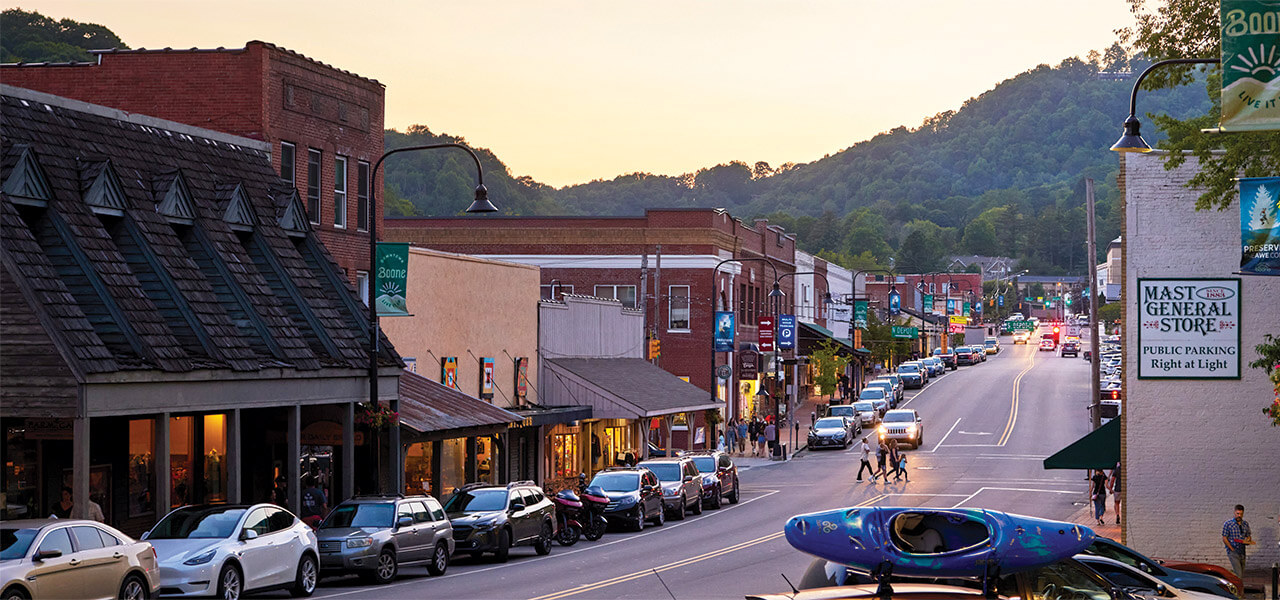
5 Fall Weekend Escapes from Richmond That Are Just Far Enough to FEEL Like An Escape What I'm loving right now? A little fall getaway! Before things get holiday crazy, it's the perfect time to get out of town, relax, recharge, and check out somewhere you may have never been. I slipped down to Boone last weekend- to visit my son, but it was also so nice to just breathe some clean mountain air, enjoy the changing colors, and rest a bit before things really get busy with events and holidays. It was so nice, I thought I'd share some of my favorite getaways that are just far enough to feel like a real getaway, but close enough to do on a weekend from the Richmond area. 1. Boone, North Carolina (~5.5-6 hours) Highlights & Things to Do Dine at The Gamekeeper - A rare for me 10/10 dining experience. Absolutely fantastic food and service. Wild game, bold flavors, and a cozy, elevated mountain lodge ambiance. Reservations recommended. More info HERE Grandfather Mountain & Mile-High Swinging Bridge - Hike the trails, see wildlife habitats, and cross the bridge (if you're not afraid of heights) for amazing Blue Ridge Parkway- Boone is home to lots of great scenic overlooks, small spur hikes (Rough Ridge, Linn Cove Viaduct), and this is the perfect time of year for those sunset views. Mystery Hill & Wilderness Run Alpine Coaster - Mystery Hill offers “gravity-defying” illusions, and Wilderness Run, in Banner Elk, is an outdoor alpine coaster, if you're an adrenaline junkie like me. Stroll downtown Boone / sample local brews & galleries- Explore great independent shops, local art, and breweries (Appalachian Mountain Brewery is a favorite, and Lost Province is an awesome spot for great food and great beer.) Boone is probably my current favorite, because my son (always my favorite) lives there, but it's also just generally fantastic, with really laid back vibes. 2. New River Gorge, West Virginia (~4.5–5.5 hours) Highlights & Things to Do Bridge Walk (under the New River Gorge Bridge) - A guided catwalk experience under the bridge that gives stunning angles and daring views. (Another good one for the adrenaline rush lovers!) Hiking to overlooks -Trails like Endless Wall, Long Point, and Grandview offer fun hikes, and gorgeous panoramic canyon vistas. River adventures- There are options for all levels on the river, whether you want a chill float or a whitewater adventure. Drive Fayette Station Road & rim backroads- Explore lesser-traveled rim roads that hug the gorge’s edge. (Just keep your eyes on the road and your hands on the wheel!) Coal-town history & echoes of ghosts- Visit Thurmond (almost ghost-town status), old mining relics, and railway ruins for a real sense of the area's history. 3. Abingdon, Virginia (~3.5-4.5 hours) Highlights & Things to Do Virginia Creeper Trail -A 34.3-mile rail-to-trail route connecting Abingdon → Damascus → Whitetop. The section from Abingdon to Damascus is popular, mostly downhill, and scenic. This section was hit hard by Hurricane Helene, but has recently reopened, and these towns need your support. Catch a performance at Barter Theatre — A historic regional theatre with rotating shows, musicals, and local flavor. I saw a show here with my mom and brother a couple of years ago, and we all really enjoyed it! William King Museum of Art / Arts Depot — Regional art exhibits, sculpture gardens, and community arts. Historic downtown & walking tours — Brick streets, antique shops, café stops, and guided heritage walks. Ghost walks & storytelling — Local lore and wonderful stories abound; private or guided ghost tours with spooky tales of old homes and legends. 4. Wytheville, Virginia / Big Walker Lookout (~3–4 hours) Highlights & Things to Do Big Walker Lookout Tower & swinging bridge — Climb up, cross the bridge, soak in vistas, enjoy the store and occasional live music. Historic walking tour / architecture — Visit Trinkle Mansion, local churches, and charming historic districts. Edith Bolling Wilson Birthplace Museum — Explore the life of President Wilson’s second wife, born in Wytheville. Nature trails & nearby hikes — Look for trails around Crystal Springs, nearby parks, or dreamy, wooded escapes. Local festivals & sweet treats — The lookout site often features weekend music, artisans, and a classic country store with fudge and local goods. Check HERE for more info! 5. “Heart of Appalachia” Loop — Southwest Virginia (~4–6 hrs, flexible) Highlights & Things to Do Drive scenic backroads through the Heart of Appalachia region — Ridge-top roads, hidden turns, and no big crowds. Visit small towns: Norton, Pound, Damascus - Each town has its character: local cafés, craft shops, vintage finds. Hidden waterfalls & forest hikes - Seek out under-the-radar cascades off the beaten path. Music & artisan fairs along The Crooked Road — Indoor/outdoor performances, local mountain music, craft markets and good food. Farm stands & roadside dining gems - If you love country, Southern fare, let your hunger guide you. Small shops, produce stands, and family restaurants are a huge part of the adventure here, so make sure you stop along the way! (Robo's Drive In in Pound is a classic drive in like you don't see any more. Milkshakes, foot long chili dogs, and more. I've loved it since I was a little kid!)
Read more
As much as I love clean lines, open space, and living with less, I’ll admit it: I have moments where I yearn for maximalism. The rich colors, layered textures, and curated chaos of art-filled walls always call to me. And while I try not to buy things I don’t need (TikTok shop… you’ve tested me more than once), there’s one exception I never feel guilty about: art. Recently, while on my way to one of my Carytown staples, Tokyo Market, I stumbled upon a spot that felt like it was made for this very minimalist-with-maximalist-dreams heart of mine: Boon. Why Boon is Worth a Stop in Carytown Boon isn’t brand new, but it was new to me—and what a find. This curated gallery and shop features: Original local art – supporting Richmond area artists in the most meaningful way. Collector pieces – unique works with stories behind them. Vintage finds – art that carries history and character. Walking in felt like stepping into a visual treasure chest. Every wall, corner, and vignette offered something to spark curiosity and joy. I could have spent the whole afternoon browsing, but real life called and I had to go. My Personal Art Rule A few years back, I made a decision: if I bring new art into my home, it has to be original or it has to spark serious joy. No filler prints, no “just because” purchases. And honestly? That rule has been the best way to curate a home that feels meaningful and intentional. Boon fits that philosophy perfectly. I’m still thinking about a few pieces I saw there (specifically an amazing, huge painting of birds on a metallic background by Edward Allen Gross) —and I know I’ll be back soon. Why It Matters Shopping local isn’t just about keeping dollars in Richmond (though that’s huge). It’s also about creating a home filled with things that matter—pieces that tell stories, honor creativity, and reflect this vibrant city we call home. So if you’re looking to add a little soul to your space, put Boon in Carytown on your list. Even if you’re not in the market to buy, it’s worth a visit for the inspiration alone.
Read more
If you’ve been watching the Richmond market, here’s the quick scoop: more homes are FINALLY hitting the market, prices are still edging up, and mortgage rates just dipped to their lowest point in nearly a year. Translation? In the Richmond area, it’s still a seller’s market, but buyers have a little more breathing room than they did this spring. The Big Picture More homes for sale: Listings are up compared to last year—especially condos and townhomes. That means more options for buyers. Prices are still rising (slowly): The median single-family home price is about $433,000, up 3% from last year. Homes are still moving fast: Most single-family homes sell in about 3 weeks, and sellers are still getting nearly full asking price. (And yes, we're still seeing multiple offer situations on occasion.) Rates are helping buyers: The average 30-year mortgage rate just dropped to 6.35%, giving buyers a little more affordability. What Buyers Should Know More choices: Inventory is improving, especially in townhomes and condos. (Hooray!) Better payments: Lower rates mean monthly payments are slightly easier to swallow than midsummer. Smart offers win: The best homes still draw competition—being prepared with financing and a solid strategy makes you stand out. What Sellers Should Know Price it right: Homes that hit the market at the correct price are selling quickly and close to asking. Prep matters more than ever: Clean, staged, and well-marketed homes get top dollar. Condo and townhome sellers: Expect a bit more competition—presentation and pricing are key. Quick Look by Area Richmond City: Median price of around $410,000, up ~8%. Most city neighborhoods are still strong. Henrico: Median $415,000, prices are nearly flat year-over-year. Updated homes in west end zip codes remain popular. Chesterfield: Median $430,000, up ~2%. Newer neighborhoods are steady and attract buyers for value. Hanover: Median price about $496,000, slightly down. Larger lots and unique properties are driving the market here. Bottom Line Buyers: You finally have a bit more room to negotiate and slightly better rates—let’s find you the right home before the holidays. Sellers: The market is still in your favor, but buyers are much more picky than they've been for the last few years. Pricing smart and prepping well are the difference between “Just Listed” and “Just Sold.” Thinking about making a move this fall? Let’s talk about your neighborhood and your goals—I’ll bring the data and a strategy to get you there.
Read more- 1
- 2