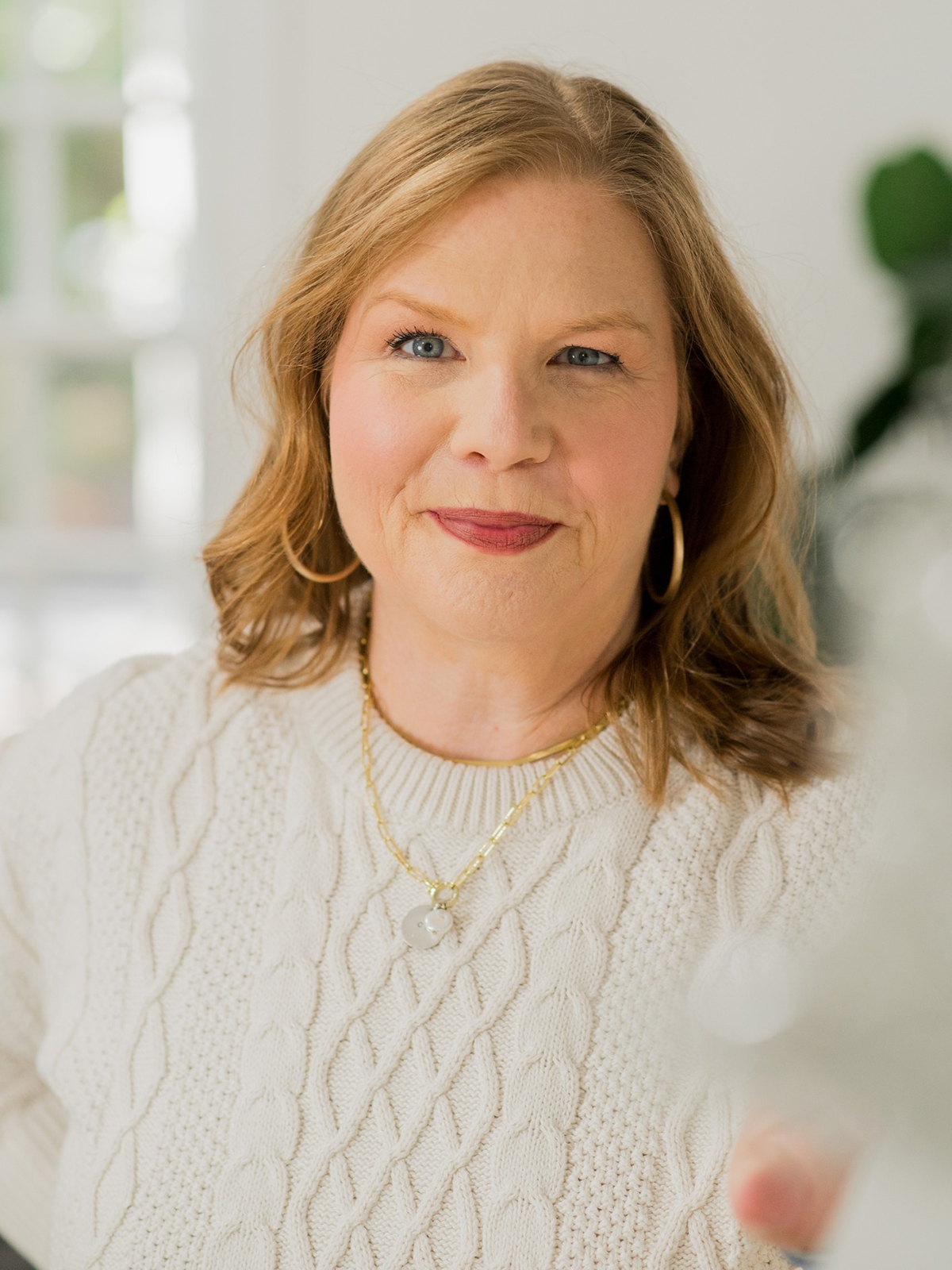


I’m a writer.
Not because I’ve been published, or even because I’m particularly great at it. I’m a writer because I write. I’ve kept journals since I was 12, and I still have most of them, stacked on shelves and boxed in my attic in various states of embarrassment, hilarity, and grace. (I know that’s not most people.)
But lately, when the world feels unceasingly heavy, and it seems like everyone I know is carrying something hard, I keep coming back to the page. Not because it fixes anything, but because it helps me carry whatever “it” is.
If you’re a lifelong journaler, you already know what I mean. This one’s for the rest of you.
The other day, I listened to an episode of Dan Harris’s 10% Happier podcast called The Science of Journaling, with Dr. James Pennebaker. He’s a UT Austin psychologist who’s spent about forty years researching what happens to people, physically, when they write about hard things. Not gratitude lists or to-do lists. The actual difficult stuff.
His findings, boiled down: about fifteen minutes of writing about something that’s weighing on you, done for a few days in a row, measurably makes a difference. His original 1986 study had college students writing for 15 minutes a day, four days in a row, about the hardest experiences of their lives. Over the following six months, that group visited the campus health center at roughly half the rate of the students who wrote about surface-level topics. Half.
His research links the practice to a range of outcomes including improved sleep, less worry over things, and sharper working memory. Big claim, but one he’s spent a career backing up with data.
Since then, decades of follow-up research (his and others’) have linked expressive writing to improved immune function (measured, in some studies, with actual blood work), better sleep, lower blood pressure, less rumination and anxiety, sharper working memory, and reduced pain and fatigue in patients managing chronic conditions like arthritis and asthma. Not a cure for anything. But a surprisingly powerful thing to do with a pen for fifteen minutes.
Here’s the important part, and what that separates journaling that helps from journaling that doesn’t. Venting alone isn’t what does it. Writing the same complaint over and over about the same thing can actually make you feel worse. What Pennebaker’s research keeps pointing to is that the benefit comes from processing. From using the writing to actually understand what you’re feeling, why, and what it might mean. You don’t have to be eloquent. You don’t have to reach any conclusions. You just have to be honest on the page in a way you might not be anywhere else.
What gets me? (But I didn’t have the actual data to support it until now.) Your brain runs a background loop about the hard thing, whether you like it or not. Writing it down just gives that loop somewhere to go.
If you’ve never journaled and don’t know where to start, try one of these prompts. Set a timer. Fifteen minutes. That’s all you need.
1. What am I actually circling?
The thing your brain keeps replaying. Whatever it is. Write it out. Don’t fix it. It doesn’t need to be a story, or even have good punctuation. Just get it on the page and out of the loop in your head.
2. What would I say if I knew no one would ever read it?
This is the question that separates a real journal from a performative journal. Answer it honestly, because that’s literally the point of the whole thing. But whatever you do, keep it somewhere actually private! Pennebaker even explains that it’s the writing, not the keeping of the writing, that’s important, so you can also burn it, shred it, or whatever floats your boat.
3. What am I making more room for and what am I letting go of?
A gentler prompt. This one is great for a Sunday morning with a good cup of coffee.
No app required. No beautiful notebook (although if a beautiful notebook is what gets you to sit down, get the beautiful notebook! See last month’s piece on The Cozy Journal in Carytown). A pen and any paper will do.
If you like a digital option (which I use as well), I love 750 Words. Based on the concept of the Morning Pages from The Artists’ Way, it’s a great, password-protected, online portal for all your writing. I’ve used it for at least 10 years, and I love it.
I know this isn’t a real estate post. But I created this section of the newsletter to showcase the things that I’m actually loving, that I want to share. Surprise, but it’s kind of rare that real estate is what I’m loving. (I love it every day, but not in the “omigosh, I love it so much that I just have to share it with everyone”.)